What Do the Lucky Numbers on a Fortune Slip Mean? Cultural Meaning and Context
Learn what lucky numbers on a fortune cookie slip can mean, why sets vary, and why they should not be treated as predictions or lottery advice.
Quick Answer: Lucky numbers on a fortune cookie slip are usually a playful convention printed with the fortune, not a reliable prediction or lottery method. Their meaning depends on the restaurant product, the number set, and the reader's cultural frame.
Fortune-cookie number facts
- Format
- The numbers usually appear as a short printed set on a fortune-cookie slip.
- Common use
- They are part of the restaurant and novelty experience, not a verified forecast.
- Meaning source
- Readers may connect them with cultural number symbolism, but meanings vary by context.
- Variation
- Sets can differ by supplier, printing run, restaurant, and product design.
- Lottery boundary
- They should not be treated as lottery advice, financial guidance, or guaranteed luck.
What the numbers on a fortune slip usually are
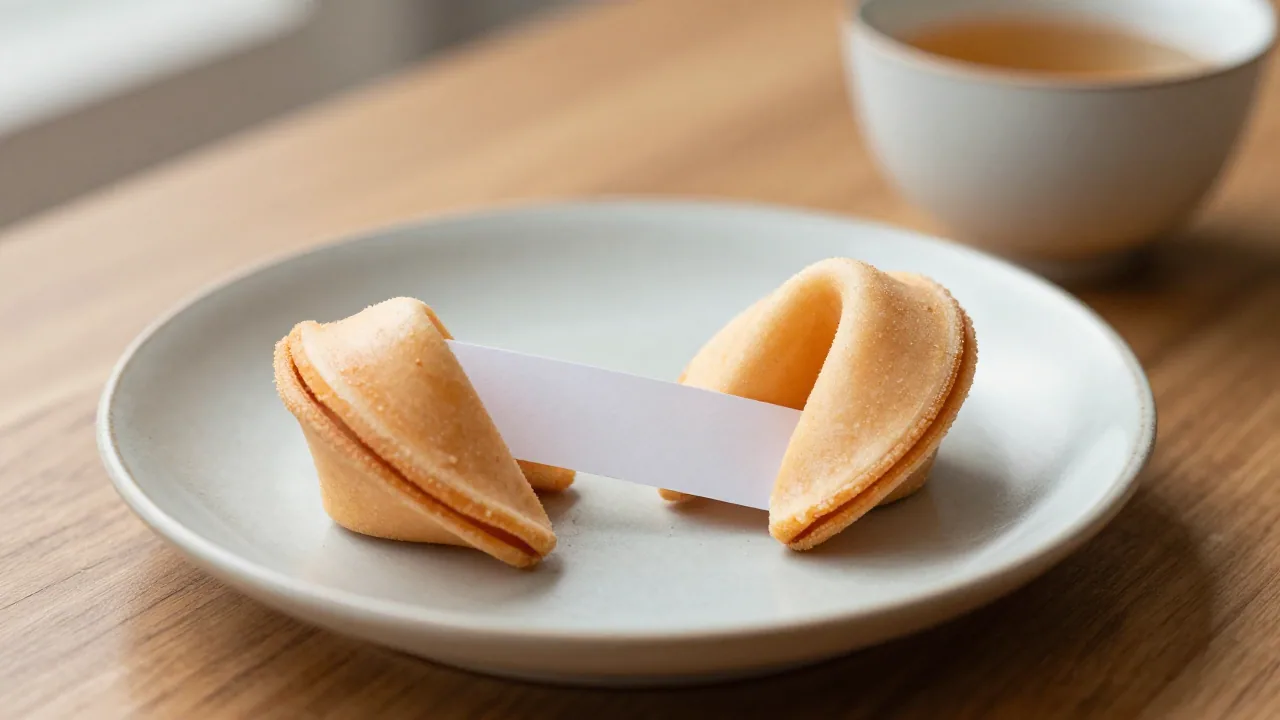
A fortune cookie often arrives with a short slip of paper. Alongside the fortune, many slips include a row of numbers presented as lucky numbers. For a reader asking what do the lucky numbers on a fortune cookie mean, the first answer is simple: they are part of the printed fortune-cookie format.
That format does not make the numbers a prediction. The number row is usually a playful extra, much like the short message itself. It can invite reflection, conversation, or amusement, but it does not prove a hidden forecast.
The cleanest reading starts with the product context. Ask whether the numbers are being presented by a restaurant slip, a novelty package, a brand design, or a cultural explainer. Each context changes how much meaning the reader should attach to them.
Where cultural meaning can enter the reading
Numbers can carry symbolic meaning in many cultures. Some associations come from sound, written form, religious use, calendar habits, or local custom. A fortune slip may remind readers of that wider world, but it usually does not explain which system it is using.
That is why broad lucky-number symbolism should be handled carefully. A number can feel positive in one language community and ordinary or mixed in another. Even within Chinese-language contexts, pronunciation, region, and occasion matter.
The useful distinction is between cultural association and claim. A number may feel lucky in a specific setting, but the slip should not be described as a guarantee.
Why different cookies show different number sets
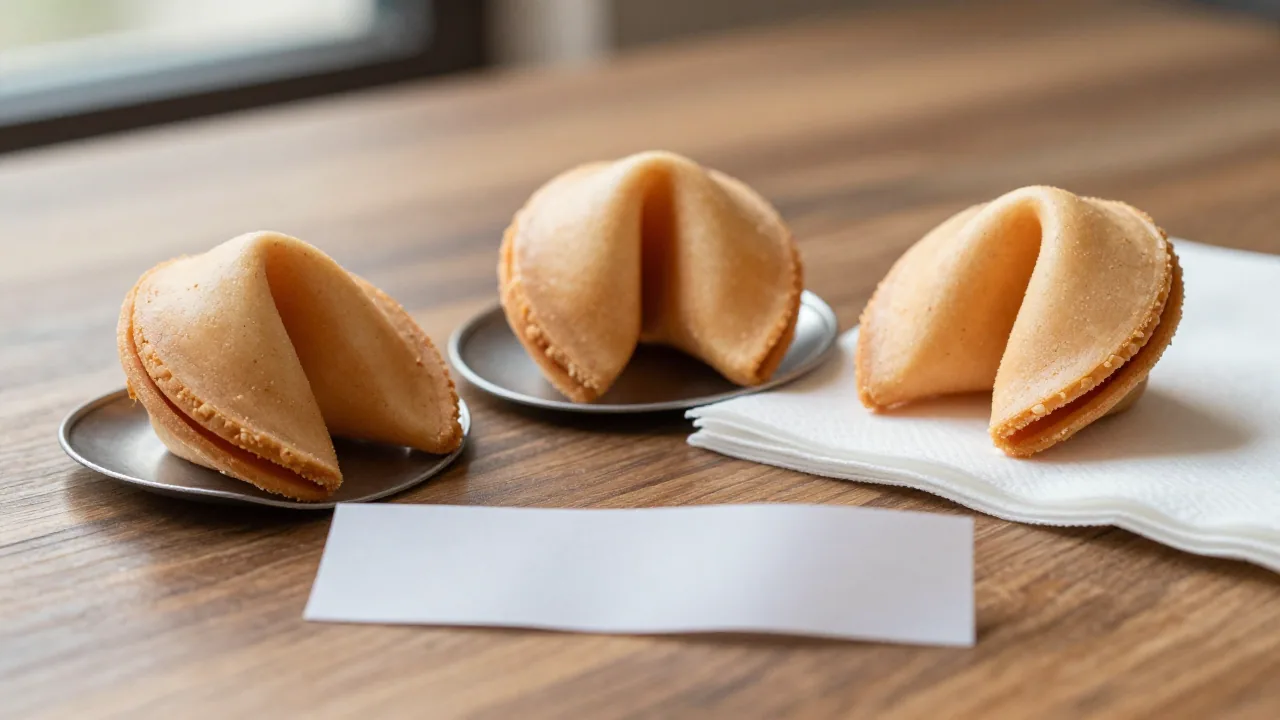
Different fortune cookies can show different number rows because the slips are products. They may come from different suppliers, printing runs, restaurants, or package designs. A repeated number set does not automatically prove a special message.
This explains why two people can open similar cookies and see very different rows. The difference may be editorial, random, or simply part of the printed batch. Without supplier documentation, the reader should not assume a single cultural code is being applied.
If the goal is curiosity rather than prediction, compare the fortune message, the number row, and the setting. That gives the slip context without turning it into a fixed rule.
Where prediction and lottery claims go wrong
The biggest misunderstanding is treating fortune-cookie lucky numbers as instructions for money, gambling, or decision-making. A printed number row does not improve odds, remove risk, or provide financial advice.
Lottery-adjacent curiosity is common because the numbers look actionable. But a row of numbers on a slip is not the same as a tested system, probability model, or reliable prediction. The responsible boundary is to keep it in the entertainment lane.
That boundary also protects the cultural reading. When readers avoid guarantee language, they can still enjoy the fortune-cookie tradition without making claims the slip cannot support.
How to read a fortune slip without overclaiming
A practical reading can be modest. Notice the message, look at the number row, and ask whether the numbers connect to a personal memory, cultural association, or simple curiosity. Then stop before turning the slip into evidence.
If you want a structured note, write three lines: what the slip says, which numbers appear, and what context you know about the cookie or restaurant. Leave prediction, lottery advice, and guaranteed luck out of the note.
That approach keeps the page useful for searchers while respecting the limits of the source: a fortune-cookie slip can be meaningful as a cultural object without becoming a promise.
Fortune-slip reading boundaries
- Treat the number row as part of the printed fortune-cookie convention.
- Check whether the meaning claim comes from a cultural source or only from the product design.
- Avoid lottery, investment, gambling, or guaranteed-luck conclusions.
- Use language such as may, can, and in some contexts when discussing symbolism.
- Keep personal reflection separate from factual claims about the number set.
Fortune-cookie lucky number questions
Do fortune-cookie lucky numbers predict anything?
No. They are best treated as a playful printed convention, not a reliable prediction.
Are the numbers based on Chinese numerology?
Not necessarily. Some readers connect numbers with wider symbolism, but a fortune-cookie slip usually does not prove a specific numerology system.
Why do different fortune cookies show different lucky numbers?
Different suppliers, printing runs, restaurants, and package designs can use different number sets.
Can I use fortune-cookie numbers for lottery tickets?
You can choose numbers for entertainment, but the slip does not improve odds or provide financial advice.
How should I read the numbers on a fortune slip?
Read them as a light cultural or personal prompt, then keep any conclusion modest and non-predictive.