Lucky Number 4 Meaning: Cultural Context and Limits
Understand lucky number 4 meaning through Chinese-language context, gifts, addresses, and phone choices without treating a cultural association as a prediction.
Lucky number 4 meaning is a cultural and language-based association that matters to some people in particular Chinese contexts. It can guide a considerate preference for gifts or number choices, but it does not cause bad luck, describe a person, or predict an outcome.
Lucky number 4 context facts
- Meaning depends on setting
- Number 4 has different associations across language, family, region, and the purpose of a number choice.
- Sound association
- Some Chinese-language contexts connect the pronunciation of four with an unlucky-sounding word, but this is not a universal rule.
- Everyday use
- An address, phone number, room number, or gift choice can be adjusted for comfort without treating the digit as a cause of events.
- Modern variation
- People and businesses make different choices; a personal preference or practical constraint may matter more than a broad association.
- Decision boundary
- A number preference cannot predict health, money, relationships, safety, or the outcome of a real decision.
What lucky number 4 meaning refers to in cultural context
Lucky number 4 meaning is not one fixed answer. In many Chinese-speaking settings, people notice a sound association between the word for four and another word with an unfavorable meaning. That association helps explain why some people avoid the digit in a room number, a gift quantity, a phone-number choice, or an advertised price. It is a cultural cue about preference, not a test of whether a number can create an outcome.
The useful first question is where the number will appear. A family choosing a small gift may care about the recipient's custom. A building manager may need a clear and consistent numbering system. A person selecting a phone number may simply value an easy pattern. Those are different decisions, so they should not be collapsed into a single claim that four is always bad or always forbidden.
Why pronunciation and language can change the association
Number symbolism often travels through sound, language, and social habit. The association around four is most relevant when a person is using a Chinese language or participating in a context where that sound connection is familiar. It can be weaker, absent, or interpreted differently across regions, dialects, generations, and households. A translated explanation should leave space for those differences rather than presenting one preference as a rule for every reader.
This is also why a number chart cannot tell the whole story. A chart may list four as something to avoid, but it cannot tell whether a particular recipient cares, whether the number is being used in a meaningful setting, or whether another concern such as cost, availability, or clarity matters more. Ask about the setting before treating a pronunciation note as practical advice.
Use a number choice carefully for gifts, addresses, and phone choices
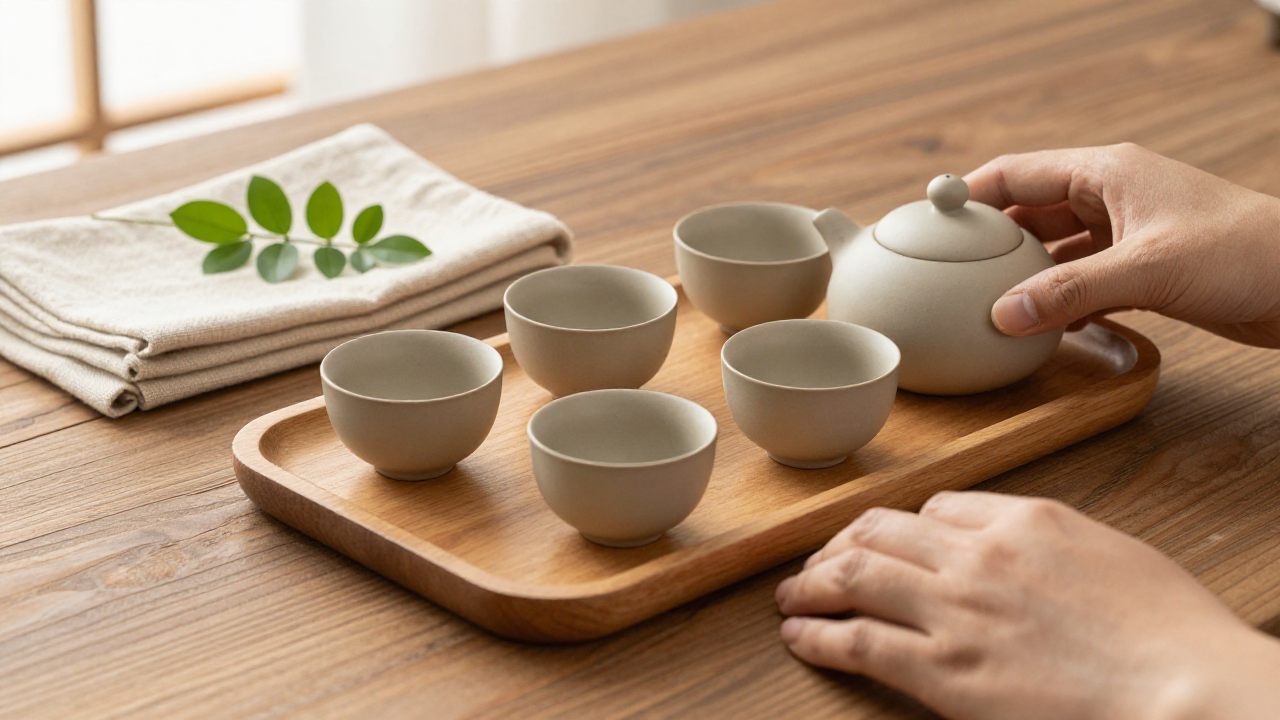
For a gift, a small adjustment can be a considerate gesture when you know the recipient values number symbolism. You might choose a quantity that feels comfortable to them, then focus on the gift itself and the message behind it. There is no need to make a promise about luck, wealth, romance, or future success. Respecting a preference is enough.
Addresses and phone numbers deserve a more practical approach. People cannot always choose the available number, and a clear address or reliable contact number is more important than a superstition. If a choice is open, choose a pattern that is easy to remember and comfortable for the person using it. If it is not open, there is no problem to solve merely because the digit appears.

Do not turn number 4 into a personal forecast
A cultural association does not describe a person's character or future. It cannot show whether a relationship will work, whether a job will succeed, or whether a medical, financial, legal, or safety decision is sound. Those questions need evidence, communication, and sometimes qualified advice. Number symbolism can remain part of a design, greeting, or family conversation without being made responsible for a consequential outcome.
The same boundary applies when someone sees four in a birthday, receipt, address, or calendar. A repeated digit may feel noticeable, but noticing it does not make it a warning. If the number causes worry, name the actual decision and look at the facts that belong to it. This separates a cultural explanation from a prediction story.

Choose wording that respects different comfort levels
When you are not sure how a person feels about four, use neutral wording. Ask whether they have a number preference for a gift, event table, or contact choice. This is more respectful than assuming that every Chinese-speaking person follows the same custom, and it avoids making a cultural detail sound like a requirement.
A concise note can say that four has a well-known sound association in some Chinese contexts, while preferences vary. That wording gives readers enough information to be thoughtful without turning a small symbol into a rigid identity label. It also leaves room for people who like the number, do not care about it, or use it for entirely practical reasons.
A context check before you use or avoid number 4
- Identify the setting: a gift, address, phone number, event, or personal design choice.
- Ask whether the person or audience actually values this number association.
- Treat pronunciation and regional custom as context, not a universal law.
- Prefer clarity, availability, and the user's comfort for practical number choices.
- Keep real decisions tied to ordinary evidence rather than a symbolic digit.
Lucky number 4 questions
Is 4 an unlucky number in Chinese culture?
In some Chinese-speaking contexts, four is associated with an unfavorable-sounding word, so some people prefer to avoid it in selected settings. Preferences vary by language, region, family, and person.
Should I avoid giving four items as a gift?
If you know the recipient values that custom, choosing a different quantity can be considerate. If you do not know, a polite question or a neutral choice is better than assuming a universal rule.
Does lucky number 4 meaning affect an address or phone number?
No. A number does not cause an outcome. When a choice is available, use a number that is clear, memorable, and comfortable for the person who will use it.
Can number 4 predict bad luck?
No. Cultural number associations are not evidence about a future event, personal trait, health, money, or relationship outcome.