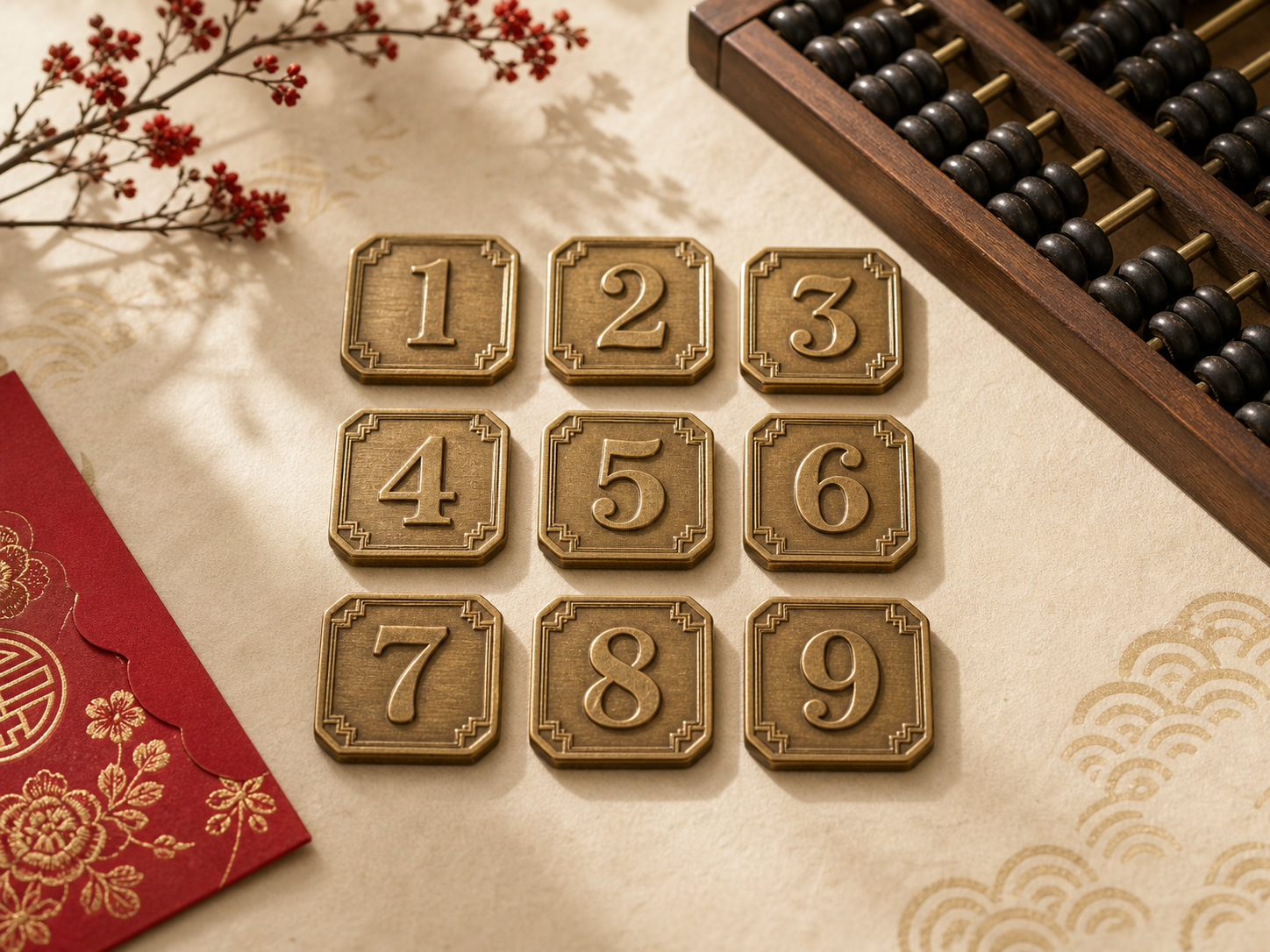
A clean number culture tool.
This sample tests lucky-number traffic without making the site look like gambling, casino, or cheap fortune content.
A practical guide to number culture
Lucky Number Guide is built for English readers who want a clear explanation of lucky numbers, Chinese number meanings, and everyday number choices. The site is not a gambling site, casino guide, prediction service, or financial advice service. It is a small reference library for people who want to understand why certain numbers feel positive, cautious, balanced, memorable, or culturally sensitive.
The main focus is practical. A visitor may be choosing a phone number, naming a product, preparing a gift, comparing address numbers, or looking for a personal number that feels easy to remember. The content explains common cultural associations, but it does not claim that a number guarantees wealth, success, love, safety, or good health. A number can support a ritual or design choice; it cannot replace real-world planning.
The editorial approach is conservative. Pages should explain where a meaning comes from, how it is commonly used, and when it should be treated lightly. If a topic touches money, business, medical matters, legal issues, mental health, personal safety, or another person's choices, the site keeps a clear boundary: use qualified advice and real evidence first.
What the site covers
The guide includes a lucky number calculator, Chinese number meaning explanations, phone number and gift use cases, FAQ pages, product notes, and optional paid report entry points. The goal is to help readers compare options without turning number symbolism into pressure. Strong content should leave the reader with a clearer reason for a number choice, not with fear or exaggerated certainty.
How Lucky Number Guide stays practical
The site deliberately separates cultural explanation from decision-making authority. A page may say that 8 is often welcomed in Chinese business contexts, but that does not mean every business decision should chase the number 8. A page may explain why 4 can feel sensitive, but that does not mean a reader must fear every appearance of 4. The useful middle ground is cultural literacy: know the signal, then decide whether it matters in the real situation.
Readers should also expect updates over time. New articles may expand number meanings, phone number examples, address and gift use cases, printable report formats, and responsible product reviews. The standard is simple: each page should help a visitor understand a number choice more clearly without increasing superstition, gambling behavior, or fear-based purchasing.