Finding methodA practical method for choosing a lucky number
Start by writing down the use case. A lucky number for a private journal can be personal and symbolic. A lucky number for a phone number, business name, gift, address, or event date should also be easy for other people to read and remember. The right method depends on where the number will appear.
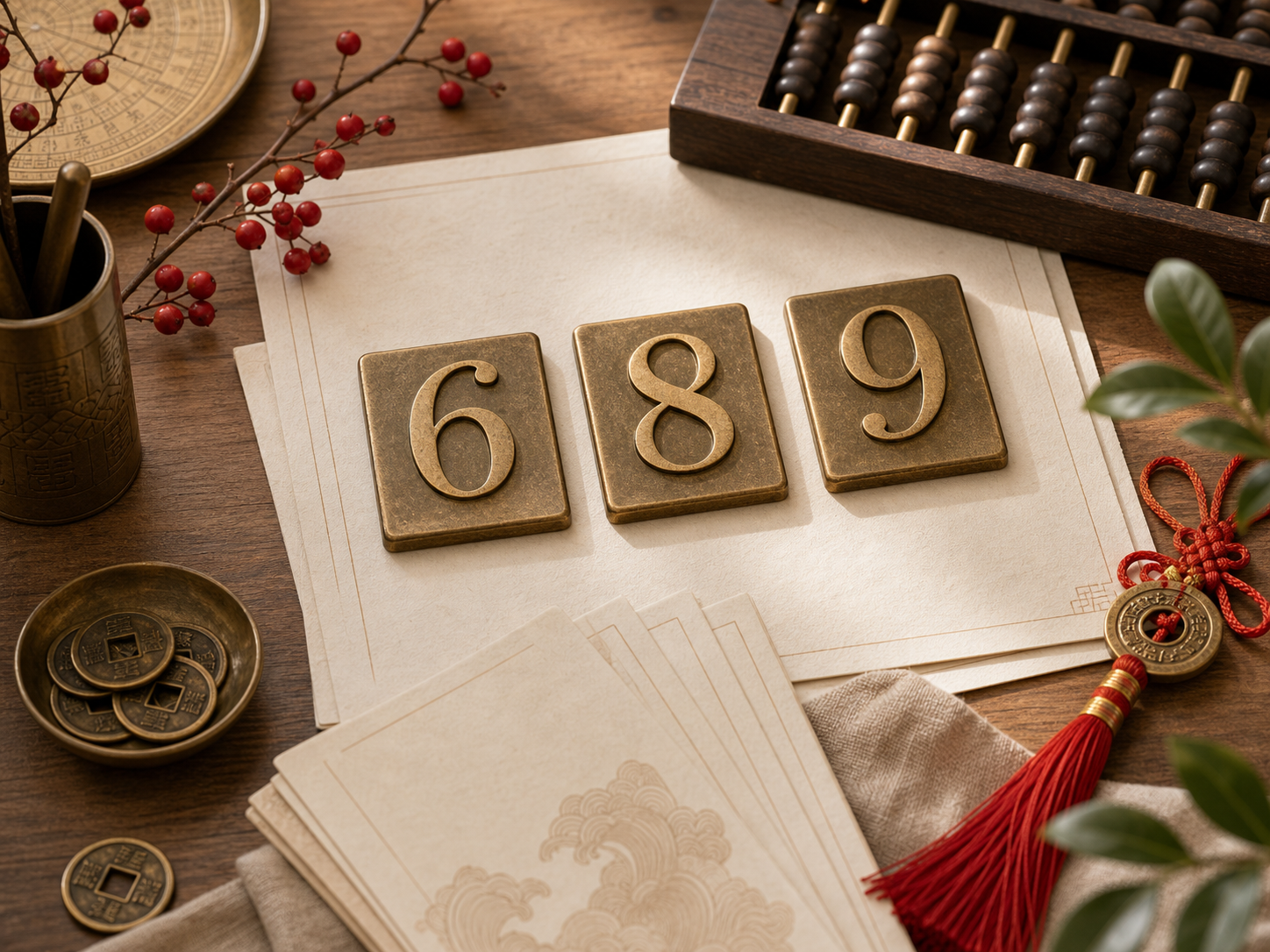
Next, collect several candidates instead of forcing one answer. You might include a birth date number, a number with a positive Chinese association, a repeated pattern, and a number that simply sounds good. Compare them against memory, pronunciation, visual balance, and cultural sensitivity. If the audience includes Chinese speakers, be careful with numbers that may sound negative in common contexts.
Check meaning against reality
A strong lucky number should support the real decision. For a phone number, it should be easy to say aloud and recognize. For a gift, it should match the recipient and occasion. For a business use, it should not conflict with price, legal naming rules, brand clarity, or customer trust. If the number feels lucky but creates practical problems, choose a simpler option.
End with a short note explaining your choice. For example: I chose 8 because it is easy to remember and has a positive prosperity association, or I chose 6 because it suggests smooth progress and fits the date. This note prevents the number from becoming vague superstition and keeps the choice grounded.
 Guide
Guide