Lucky Numbers in Korean Culture: Language, Context, and Limits
Korean number associations depend on language, setting, generation, religion, and personal practice. Four may be avoided in some contexts because its Sino-
Quick Answer: Korean number associations depend on language, setting, generation, religion, and personal practice. Four may be avoided in some contexts because its Sino-Korean pronunciation resembles the word for death, while other numbers gain positive meanings from custom or personal use; none guarantees luck.
Recurring biblical number patterns in context
- Language
- Sino-Korean readings can shape sound-based associations.
- Four
- The reading sa can resemble a word associated with death.
- Context
- Building labels, gifts, dates, and personal choices may differ.
- Variation
- Not every Korean person follows the same association.
- Limit
- A number cannot guarantee wealth, health, safety, or success.
Start with Korean language context
Start with Korean language context is the working question for this part of lucky korean numbers. Korean number associations depend on language, setting, generation, religion, and personal practice. Four may be avoided in some contexts because its Sino-Korean pronunciation resembles the word for death, while other numbers gain positive meanings from custom or personal use; none guarantees luck.
The useful record is specific: language means sino-Korean readings can shape sound-based associations. Readers should preserve the method, object, setting, or source that makes this point reproducible instead of relying on a loose association.
This distinction matters because four changes how the answer should be used. Keep the conclusion proportional to the evidence and carry the stated limit into any family note, comparison, or practical decision.
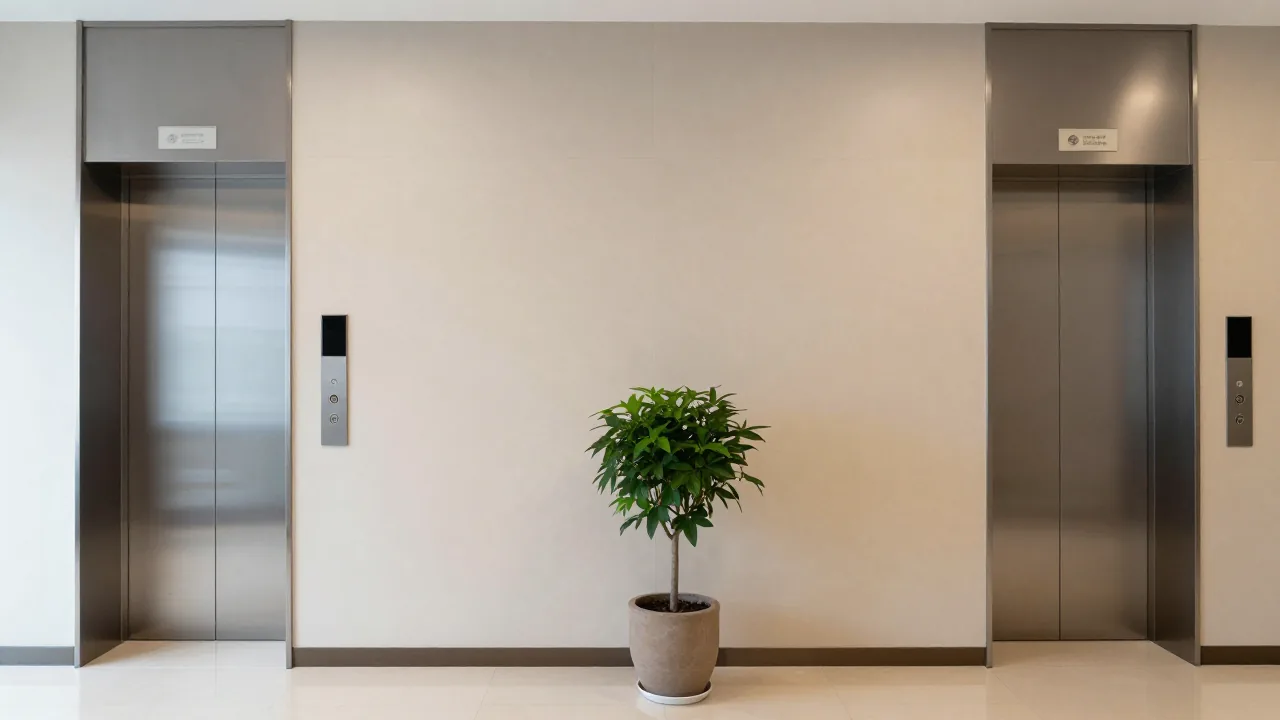
Why four may be avoided in some buildings
Why four may be avoided in some buildings is the working question for this part of lucky korean numbers. Korean number associations depend on language, setting, generation, religion, and personal practice. Four may be avoided in some contexts because its Sino-Korean pronunciation resembles the word for death, while other numbers gain positive meanings from custom or personal use; none guarantees luck.
The useful record is specific: four means the reading sa can resemble a word associated with death. Readers should preserve the method, object, setting, or source that makes this point reproducible instead of relying on a loose association.
This distinction matters because context changes how the answer should be used. Keep the conclusion proportional to the evidence and carry the stated limit into any family note, comparison, or practical decision.
Separate language associations from personal choices
Separate language associations from personal choices is the working question for this part of lucky korean numbers. Korean number associations depend on language, setting, generation, religion, and personal practice. Four may be avoided in some contexts because its Sino-Korean pronunciation resembles the word for death, while other numbers gain positive meanings from custom or personal use; none guarantees luck.
The useful record is specific: context means building labels, gifts, dates, and personal choices may differ. Readers should preserve the method, object, setting, or source that makes this point reproducible instead of relying on a loose association.
This distinction matters because variation changes how the answer should be used. Keep the conclusion proportional to the evidence and carry the stated limit into any family note, comparison, or practical decision.
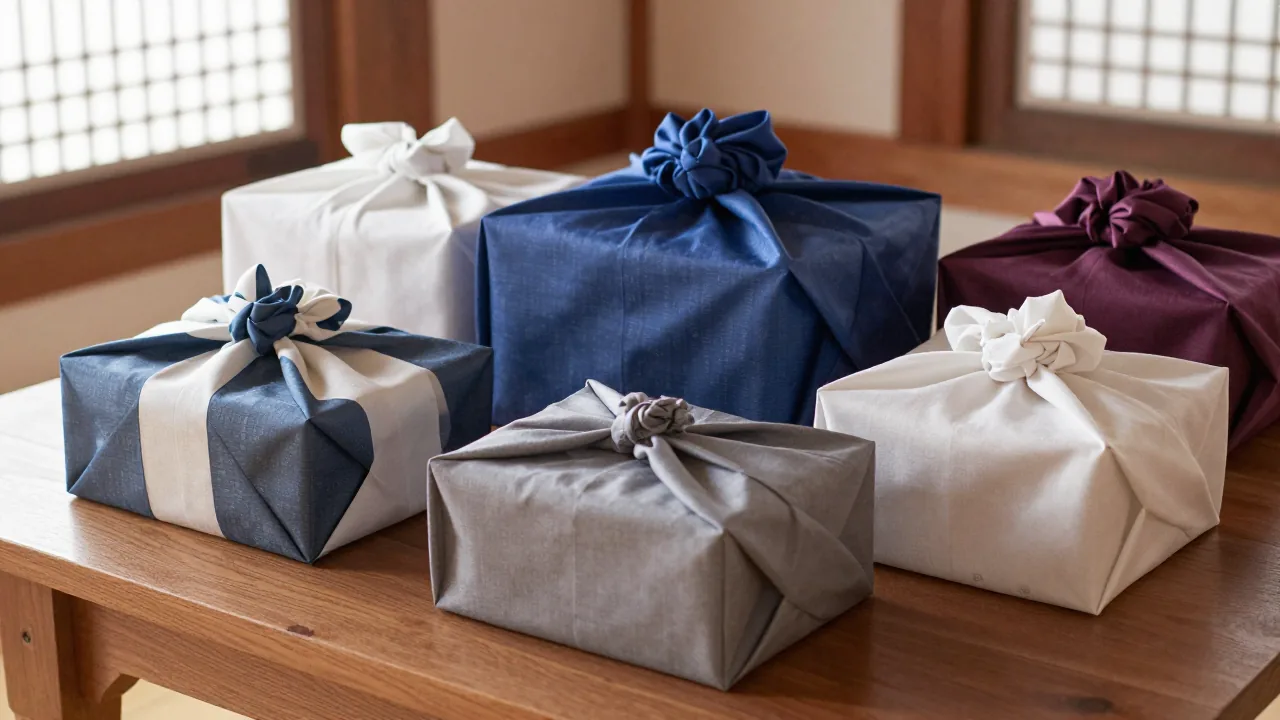
Compare ceremonial, commercial, and everyday settings
Compare ceremonial, commercial, and everyday settings is the working question for this part of lucky korean numbers. Korean number associations depend on language, setting, generation, religion, and personal practice. Four may be avoided in some contexts because its Sino-Korean pronunciation resembles the word for death, while other numbers gain positive meanings from custom or personal use; none guarantees luck.
The useful record is specific: variation means not every Korean person follows the same association. Readers should preserve the method, object, setting, or source that makes this point reproducible instead of relying on a loose association.
This distinction matters because limit changes how the answer should be used. Keep the conclusion proportional to the evidence and carry the stated limit into any family note, comparison, or practical decision.
Avoid turning cultural patterns into predictions
Avoid turning cultural patterns into predictions is the working question for this part of lucky korean numbers. Korean number associations depend on language, setting, generation, religion, and personal practice. Four may be avoided in some contexts because its Sino-Korean pronunciation resembles the word for death, while other numbers gain positive meanings from custom or personal use; none guarantees luck.
The useful record is specific: limit means a number cannot guarantee wealth, health, safety, or success. Readers should preserve the method, object, setting, or source that makes this point reproducible instead of relying on a loose association.
This distinction matters because language changes how the answer should be used. Keep the conclusion proportional to the evidence and carry the stated limit into any family note, comparison, or practical decision.
How to test a number claim against a passage
- start with Korean language context
- why four may be avoided in some buildings
- separate language associations from personal choices
- compare ceremonial, commercial, and everyday settings
- avoid turning cultural patterns into predictions
Questions about numbers and biblical texts
Is four considered unlucky in Korean culture?
Sino-Korean readings can shape sound-based associations. Apply that point to the exact date, method, material, passage, scene, or family record described in the question.
Which numbers are considered lucky in Korea?
The reading sa can resemble a word associated with death. Apply that point to the exact date, method, material, passage, scene, or family record described in the question.
Why does pronunciation matter?
Building labels, gifts, dates, and personal choices may differ. Apply that point to the exact date, method, material, passage, scene, or family record described in the question.
Do all Koreans avoid the same numbers?
Not every Korean person follows the same association. Apply that point to the exact date, method, material, passage, scene, or family record described in the question.
Can Korean lucky numbers predict an outcome?
A number cannot guarantee wealth, health, safety, or success. Use the page as a bounded reference and check an appropriate primary or professional source when the decision carries real consequences.