How to Use a Phone Number Checker: Pattern, Context, and Limits
Use a phone number checker to review repeated digits, memorability, and common lucky-number notes without turning one result into a verdict.
A phone number checker helps you review repeated digits, memorable chunks, and common cultural notes in one number. Use it to compare pattern clarity and daily fit, not as proof that a number will cause luck or bad luck.
Phone number checker facts
- Tool role
- A phone number checker organizes repeated digits, memorable chunks, and common cultural notes so the reader can review a number more clearly.
- Best input
- Use the full phone number you actually want to compare, not one remembered fragment or a mixed set of options.
- Useful output
- The result is most useful as a pattern review and context note, not as a verdict about luck or future outcomes.
- Common mistake
- People often treat one repeated digit or a red-flag note as if it should decide whether to keep or buy a number.
- Decision boundary
- A phone number pattern cannot guarantee business success, relationship results, safety, money, or personal fortune.
What the phone number checker is actually checking
A phone number checker is usually reviewing structure before symbolism. It looks for repeated digits, mirrored chunks, easy-to-remember runs, and sometimes number associations that are common in everyday lucky-number language. That makes it a sorting and explanation tool, not a machine that can tell you whether one number is blessed or dangerous.
This distinction matters because people use phone numbers for more than symbolism. A memorable business number, a family number, and a number chosen for a gift all solve different problems. The checker is useful when it helps the reader see the pattern clearly and compare it with the real use case.
Enter the full number before reading the pattern notes
The checker works best when the full sequence is entered exactly as the reader intends to use it. Leaving out a section, swapping the order, or comparing only one fragment can change the visible pattern and make the result thinner than the real number. If you are comparing two options, run them separately so the notes stay tied to one sequence at a time.
This step also keeps the tool grounded. The output should describe the number that is actually available, not a shortened version that looks neater on paper. When the full input is correct, the reader can move from pattern notes to practical comparison without guessing what the tool actually saw.
Separate memorable patterns from lucky-number claims
A repeated digit or a neat chunk can make a phone number easier to remember. That is already useful on its own. Some readers will also care about cultural number notes, such as whether a pattern feels smooth, balanced, or awkward in their own language and family context. Those symbolic notes can be part of the explanation without becoming a promise.
The safer reading is to keep two layers apart: pattern recognition and lucky-number interpretation. A checker can show that a number repeats, mirrors, or clusters. It cannot prove that the number will bring success, money, or protection. Once the tool output is separated this way, the reader can keep the practical value and leave the overclaim behind.
Compare the checker result with real daily use
After the pattern notes are clear, compare them with the number's real job. A business line may need memorability first. A personal number may need family preference, easy dictation, or low switching cost. A premium number listing may look impressive, but the reader should still ask whether the price, carrier terms, and everyday convenience match the actual need.
This is where the tool result becomes useful. It is one input into a choice, not the whole choice. If the pattern is clean and the practical fit is also good, the number may be worth keeping or considering. If the pattern looks attractive but the daily use is poor, the pattern note should not outweigh the real cost.
What to do after a phone number checker result
Save the result, note the strongest pattern, and decide whether the next step is comparison or context. If you are reviewing several numbers, compare them side by side after each one has its own result. If the pattern raises a cultural question, move to a phone-number meaning guide rather than forcing the checker alone to answer it.
The useful end point is simple: clearer pattern visibility, one practical comparison rule, and one limit on symbolic claims. That keeps the tool helpful without turning the output into a purchase instruction or a forecast about what the number will cause.
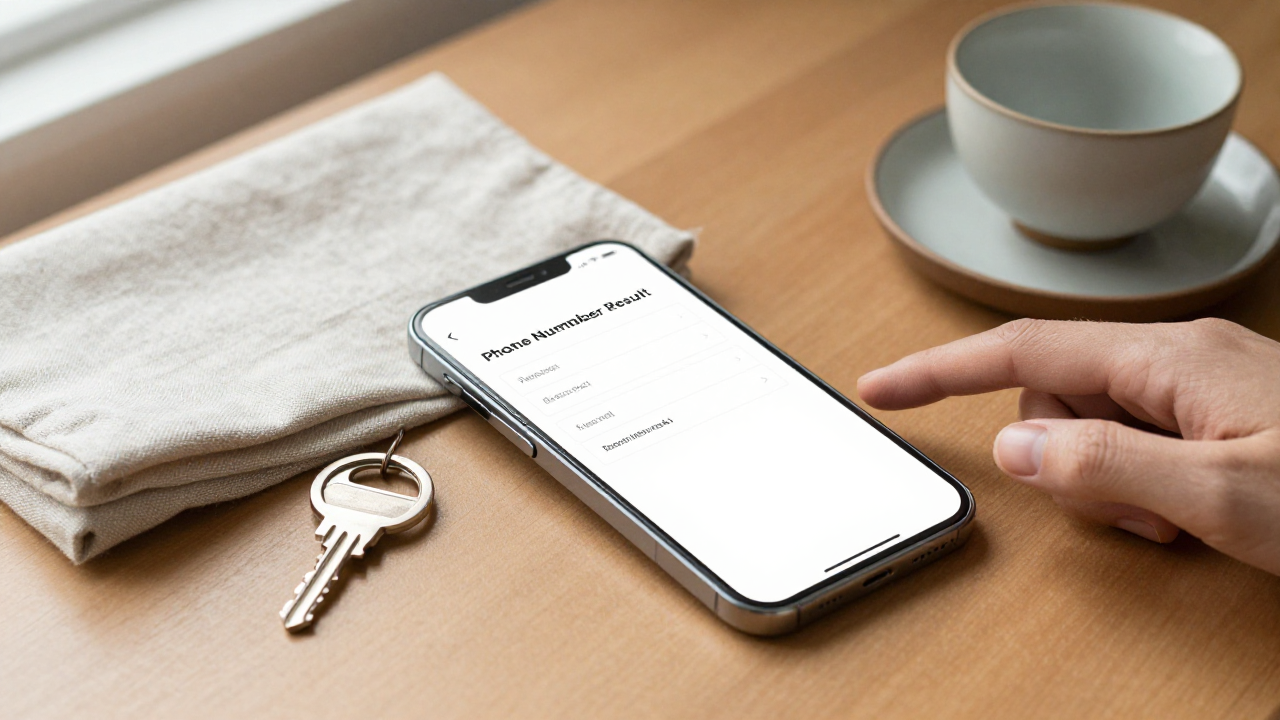
Use the checker without overreading the result
- Enter the exact full number before comparing the output.
- Keep memorability and cultural notes separate in your review.
- Compare the result with real daily use, switching cost, and audience fit.
- Use a phone-number meaning guide only when a cultural detail needs more context.
- Do not let one pattern note decide a costly purchase or a high-stakes action.
Phone number checker questions
What does a phone number checker do?
It reviews repeated digits, memorable chunks, and common number associations so the reader can understand a phone number pattern more clearly.
Should I enter the full phone number?
Yes. The checker is more useful when it sees the full sequence you actually want to compare or use.
Can a phone number checker tell me whether a number is lucky?
It can show pattern notes and common symbolic associations, but it cannot prove that a number will cause a future result.
What should I do after a phone number checker result?
Save the result, compare it with real daily use, and use a related guide if you need more cultural context before making a decision.